How to Protect Your Concrete in Winter
Concrete surfaces—whether they’re driveways, patios, walkways, or pool decks—face their harshest conditions during the winter. Snow, ice, moisture, freezing temperatures, and leftover debris can all take a toll, especially on unsealed or aging concrete. The good news? A bit of preparation before winter hits can greatly reduce the chances of cracking, spalling, stains, and costly repairs once spring arrives. Below are the key steps to protecting your concrete surfaces through the cold months.
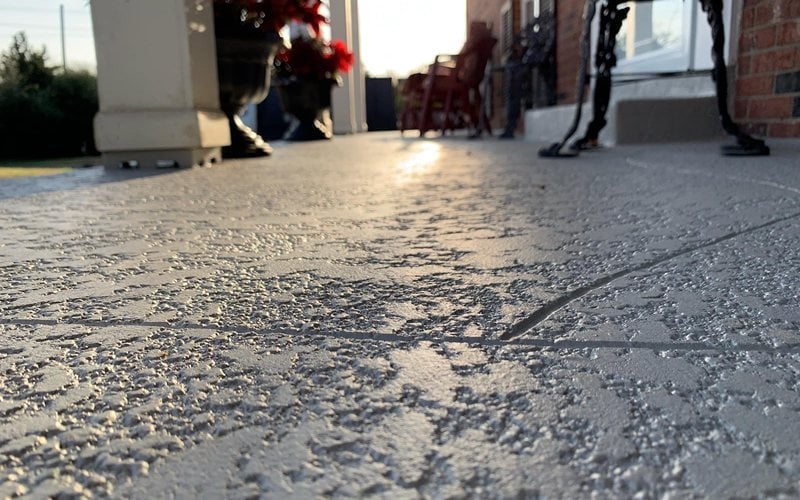 After resurfacing your concrete, it’s important to protect it to preserve its beauty for as long as possible. Here, Classic Texture in Tweed Gray and the Custom Scoreline technique was used to beautify the surface of this residential patio. Surface work completed by SUNDEK installer.
1. Clear Away Debris Before Winter Sets In
Leaves, dirt, and organic matter left on concrete all winter can cause discoloration and staining. When trapped beneath snow and moisture for long periods, these materials break down and leave marks that are difficult to remove later.
Before temperatures drop, give your surfaces one last thorough cleaning:
- Sweep or blow off leaves, twigs, and debris.
- Hose off lingering dirt to reduce the risk of discoloration during the freeze.
- Address stains early (see our maintenance guide for tips on removing grease, food stains, rust, and more).
A clean surface going into winter means far less work in the spring.
Schedule a Consultation2. Make Sure Your Concrete Is Properly Sealed
“A high-quality sealer is one of the most effective ways to protect concrete from winter damage,” says Kevin Toczek, SUNDEK’s director of training and support. Sealers reduce moisture absorption, which helps prevent cracking, spalling, flaking, and discoloration caused by freeze/thaw cycles. They also protect decorative finishes and make spring cleaning easier. Learn more about the importance of sealers.
How often should you reseal?
It depends on climate, UV exposure, surface type, and foot or vehicle traffic. Many decorative coatings and concrete need to be resealed every few years. If you're unsure, reach out to a contractor who can evaluate your surface and recommend the right maintenance schedule.
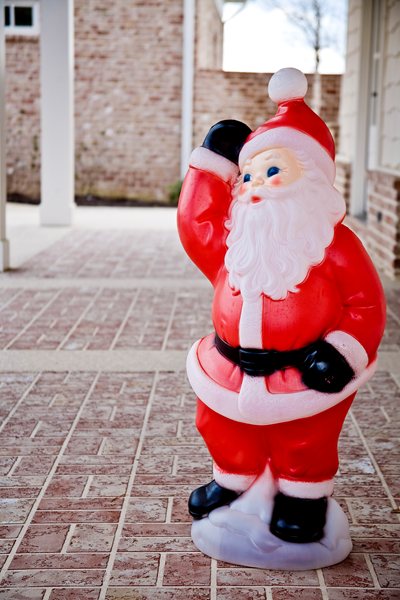 SunStamp and strategic color combinations were used to mimic the look of brick on this outdoor surface. Surface work completed by SUNDEK installer.
3. Repair Cracks and Chips Before Freezing Weather
Even small cracks can worsen significantly in the winter. When water seeps in and freezes, it expands—forcing cracks to grow and creating larger structural issues over time. Addressing cracked concrete before winter offers major long-term benefits:
- Prevents moisture intrusion.
- Reduces the risk of spalling or pop-outs.
- Protects decorative coatings from issues.
If you notice cracks or failing areas, consult your decorative concrete installer about the best repair method for your specific surface.
4. Protect High-Traffic and High-Exposure Areas
Driveways, entryways, and walkways often face the most wear during winter because of vehicle traffic, foot traffic, and de-icing products. Small precautions can significantly extend the life and appearance of concrete in these areas. Tips for protection:
- Avoid metal shovels, which can scratch coatings.
- Use only ice melt products recommended for decorative concrete—some deicers can deteriorate the surface.
- Do not allow snow to build up for long periods, as prolonged moisture increases freeze/thaw stress.
- Place mats at entrances to prevent road salts from being tracked onto coated surfaces.
- Identify places where snow melt tends to collect such as below rooflines. Wash away snowmelt whenever possible to prevent damage. “I’ve seen more deterioration in spots like this than anywhere else,” shares Kevin.
Related: Is Your Concrete Patio Protected From Winter Weather?
5. Special Considerations: Protecting Your Pool Deck in Winter
Pool decks require all the same winterization steps as other concrete surfaces—but they also face unique risks due to their proximity to the pool itself.
Here’s what to keep in mind:
Protect the deck when covering the pool
Pool covers can cause scratches or stains if they're not installed carefully.
- For safety covers with springs: Wind can move the cover, causing springs to rub against the concrete and leave marks. Add spring covers or small pads, such as pieces of carpet or laminate, beneath contact points.
- If you use water bags: Placing water bags directly on the deck can create cold spots that lead to pop-outs. Insert a thin layer of plywood or another barrier between the water bag and the concrete to protect it.
Maintain proper sealing
Pool decks are especially vulnerable to moisture because of their location. A good sealer prevents freeze/thaw damage, staining, and surface deterioration.
Stay on top of snow and ice
Use non-damaging ice melt products recommended by your pool deck installer and avoid heavy shoveling that can damage decorative textures.
Winterize surrounding pool equipment
Even if the focus is your concrete, neglecting your pool equipment can lead to leaks or overflows that damage your deck or surrounding surfaces. Keeping equipment in good shape protects both the pool and the concrete around it. General steps include:- Lower the pool water to protect the skimmer.
- Clear chemicals from feeders.
- Balance winter water chemistry.
- Add a winterizing kit.
- Blow out and plug lines.
- Drain all filter equipment before covering the pool.
Related: How to Protect Your Pool Deck During Winter
6. Work With a Qualified Decorative Concrete Contractor
Every concrete surface is different. Climate, age, coating type, and usage all influence how your concrete should be maintained during winter. A professional can help you:
- Determine an appropriate resealing schedule.
- Identify early signs of damage.
- Choose safe ice-melt products.
- Protect your decorative finish for the long term.
Winter can be hard on concrete, but with the right preparation, your surfaces will stay strong, protected, and visually appealing all winter—and ready to shine when warm weather returns.
Looking for a contractor to improve your surfaces?
At SUNDEK, we have installers around the country trained to install high-quality decorative surfaces.
Your Local Contractor:
Unfortunately:
We currently do not have a local installer in your area.