Polished Concrete or Resurfacing: Which Is Right for Your Floor?
Polished concrete floors are a go-to choice for those looking for sleek, modern appearance and versatility for their surfaces. Whether your style leans industrial, minimalist, contemporary, or even rustic, polished concrete fits right in. Did you know you can achieve the look of a polished concrete using resurfacing techniques? Here, we’ll walk through the difference between polished floors and resurfaced floors that can help guide you in deciding which option is best for your surface.
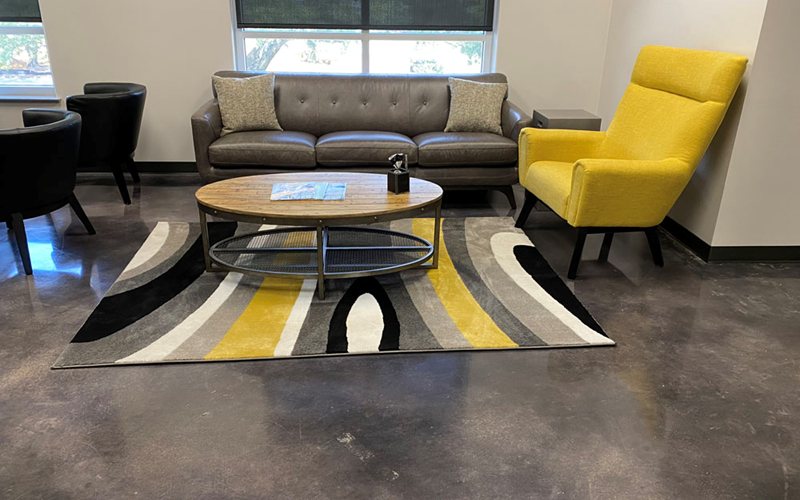 SUNDEK installed this burnished floor using the SunBurn system to create a polished concrete look.
 Understanding Polished Concrete Floors
Polished concrete is a sleek, glossy flooring option created by mechanically refining a concrete surface until it reaches a smooth, mirror-like finish. Much like sanding wood, the process involves grinding the concrete with heavy-duty machines equipped with progressively finer diamond-embedded segments to remove imperfections and gradually increase the floor’s sheen.
Get a free quoteWith polished concrete floors, there are many design possibilities. You can add color, incorporate patterns with saw cuts, or even embed aggregates or decorative objects before polishing. The level of reflectivity can also be customized based on how many polishing steps are completed.
During the process, an internal sealer is applied to harden and densify the concrete, enhancing durability without the need for a topical coating. Polished concrete is especially popular in commercial spaces because it is easy to maintain, requiring only dust mopping and occasional cleaning products to keep it looking its best.
Understanding Resurfacing
Concrete resurfacing, also referred to as concrete restoration or refinishing, is a process that transforms an existing concrete slab by applying a new overlay or coating after the surface has been properly prepared. These resurfacing systems are highly customizable, offering a wide range of colors, textures, patterns, and masonry-style effects to achieve almost any look you want.
Depending on the resurfacing technique used, you can even create the appearance of polished concrete without fully grinding and polishing the original slab. This makes resurfacing an excellent option for revitalizing worn or dated surfaces while giving you complete control over the final aesthetic.
Benefits of Polished Concrete or Resurfaced Floors with a Polished Concrete Look
Polished concrete floors offer a long list of advantages, making them an attractive option for high-traffic and design-focused environments alike. Here are some of the qualities homeowners and commercial property owners like about polished floors:
- Durability: Both polished and resurfaced floors are resilient and long-lasting. These floors hold up well under constant foot traffic, rolling carts, and everyday wear.
- Customizable: From high-gloss finishes to matte sheens, and from exposed aggregate to subtle tinting, polished and resurfaced concrete can be tailored to match nearly any aesthetic.
- Slip-resistant when done properly: With the right finish and professional application, polished concrete and resurfaced concrete can both provide solid traction while still delivering a smooth look.
- Easy to clean: Simple maintenance such as dust mopping, occasional wet cleaning, and resealing as needed keeps both surfaces looking their best.
Resurfacing vs. Polishing
With many of the same benefits, how does one decide whether they should opt for polishing or resurfacing their floor? Here are some considerations to make:
- Condition of existing surface. If your concrete slab has flaws that need to be touched up, resurfacing is a better option. With polishing, those surface imperfections will be difficult to hide, while with resurfacing, the new coating will cover up patchwork underneath.
- Desired texture. If you want a polished look that has the texture of a material such as stone, resurfacing gives you that option. Your contractor can create the desired texture when the coating is applied.
- Process and investment. Because polishing involves multiple grinding stages, it can require more time, labor and expense. Resurfacing is often a more efficient and affordable way to achieve a polished concrete look on an existing surface.
Places Where Polished Concrete Floors or Resurfaced Concrete Floors Are Installed
While the look of polished concrete has long been the standard in industrial settings like warehouses because of its strength and durability, its aesthetic appeal has made it increasingly popular in other spaces as well. Retail stores, offices, showrooms, and restaurants often choose this look for its modern vibe and ability to complement almost any décor.
The polished concrete aesthetic is also gaining traction in residential settings. Homeowners appreciate how it can elevate spaces such as basements, garages, kitchens, hallways, and even living rooms. Its clean, reflective surface makes rooms feel larger and brighter, and its low-maintenance nature is a major bonus for busy households.
Get the Polished Concrete Look with SUNDEK
At SUNDEK, we pride ourselves in helping our customers achieve whatever style they desire. If they want the sleek, modern appearance of polished concrete, there are several ways we can achieve that aesthetic.
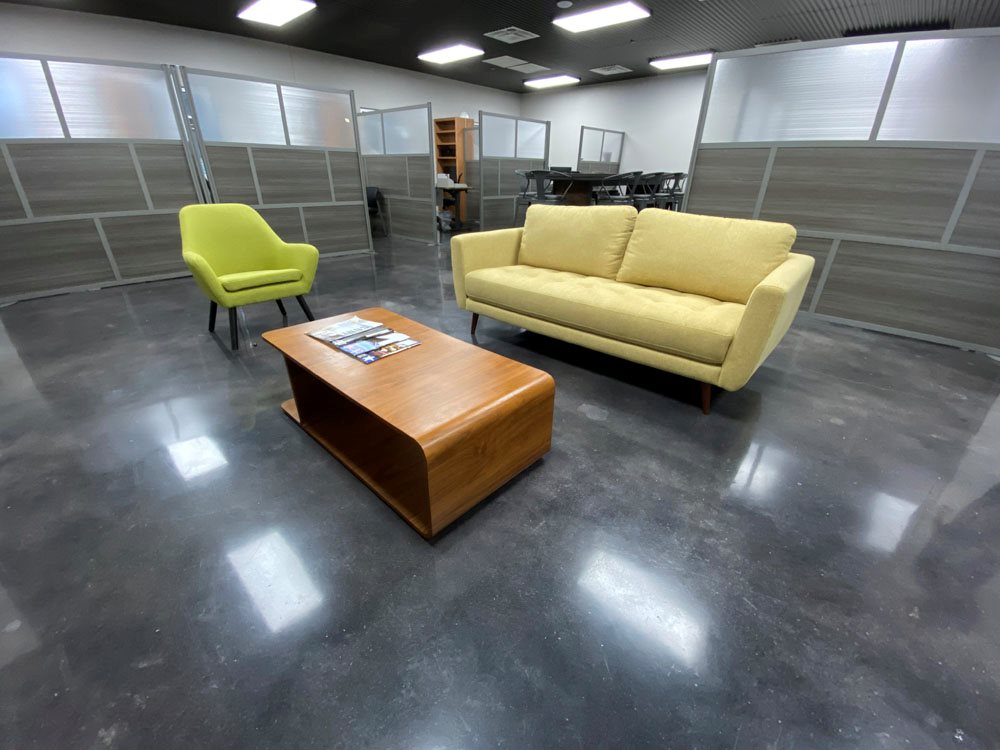 Burnishable Stain
SunBurn, SUNDEK’s burnishable stain system, uses advanced nano-lithium technology to both color and harden concrete, creating long-lasting, durable color that won’t peel, flake, or wash away. It’s an excellent coloring option for commercial and residential projects alike and is available in a wide selection of hues.
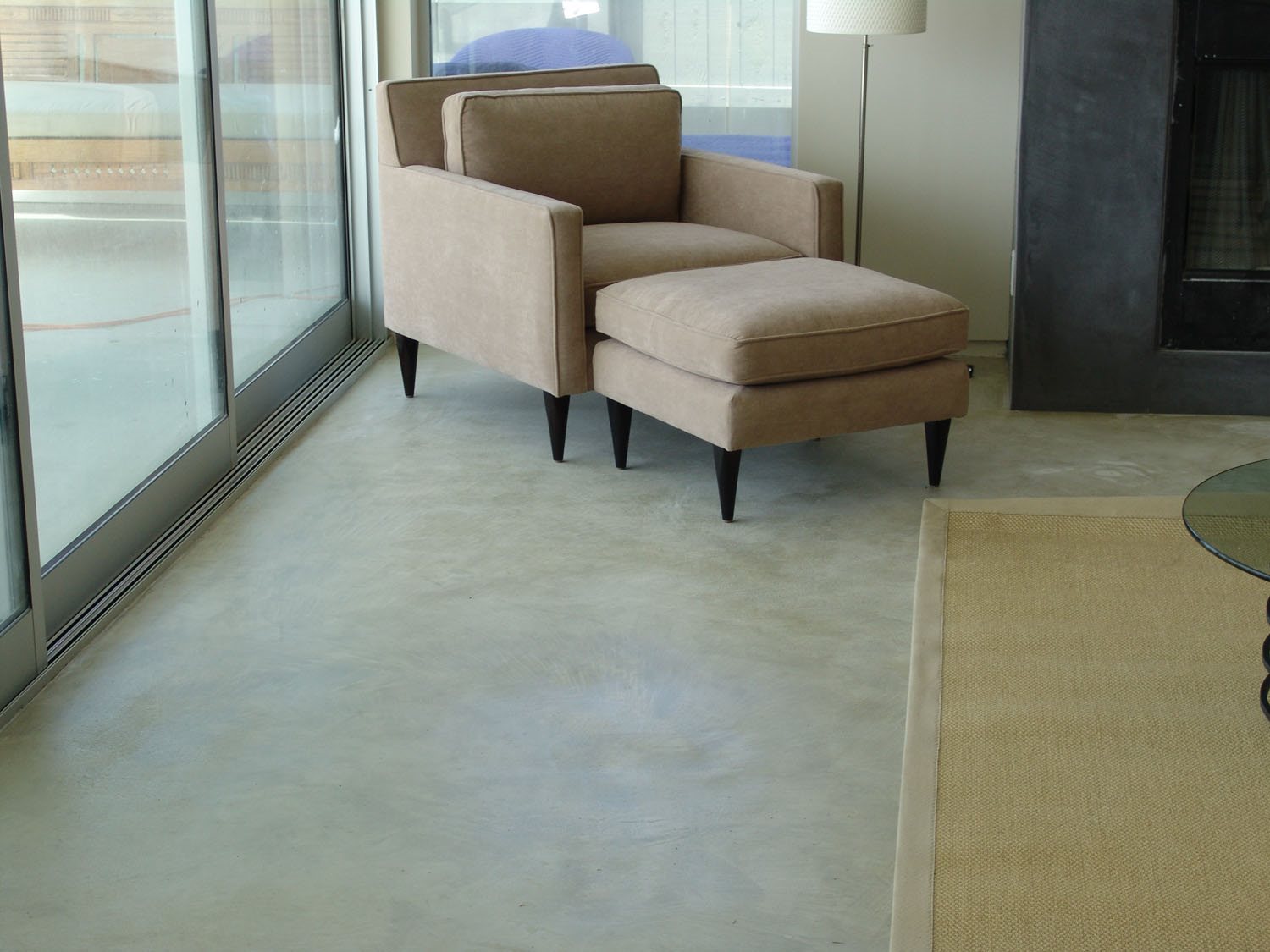 Concrete Dye
SunDye is a water- or acetone-soluble liquid that can be used on its own or paired with SunAcid for added color effects. It offers a quick-drying, cost-effective option for tinting interior concrete surfaces. When mixed with water, SunDye produces greater color variation, while using acetone results in a deeper, more uniform tone.
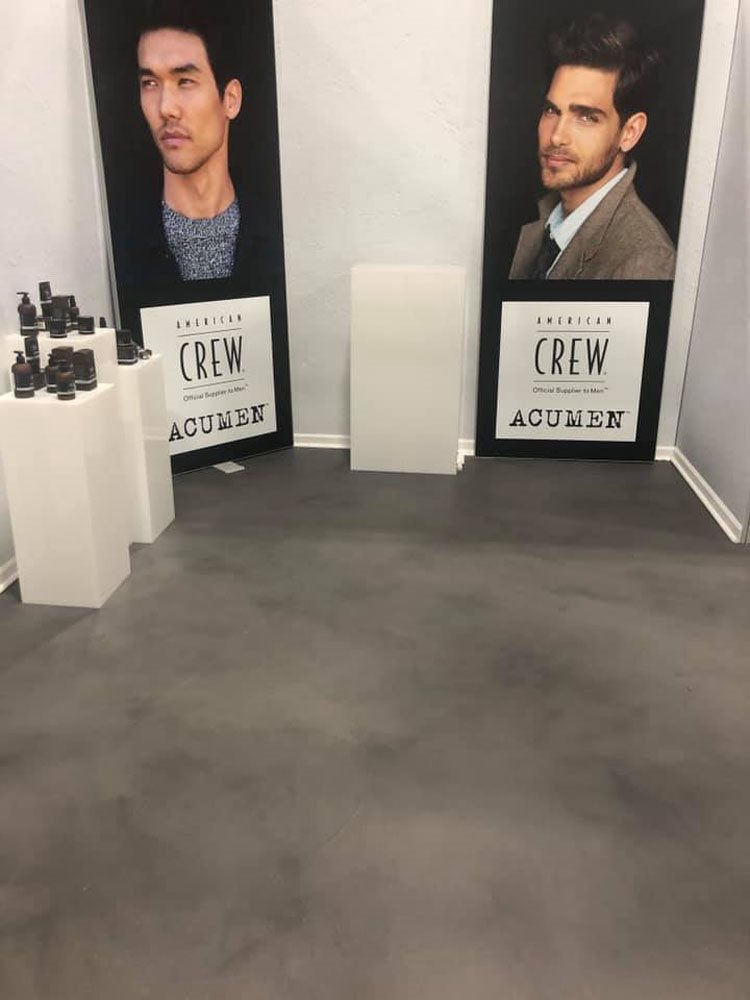 Acid Stain
SunAcid is a muriatic acid–based staining solution that reacts with the minerals and salts in concrete to produce a translucent, variegated appearance. Because the color forms through a chemical reaction, it becomes a permanent part of the surface and won’t crack or peel. This distinctive finish offers a depth and character that traditional polymer or pigment stains can’t replicate. SunAcid is suitable for a wide range of architectural concrete projects, both indoors and out.
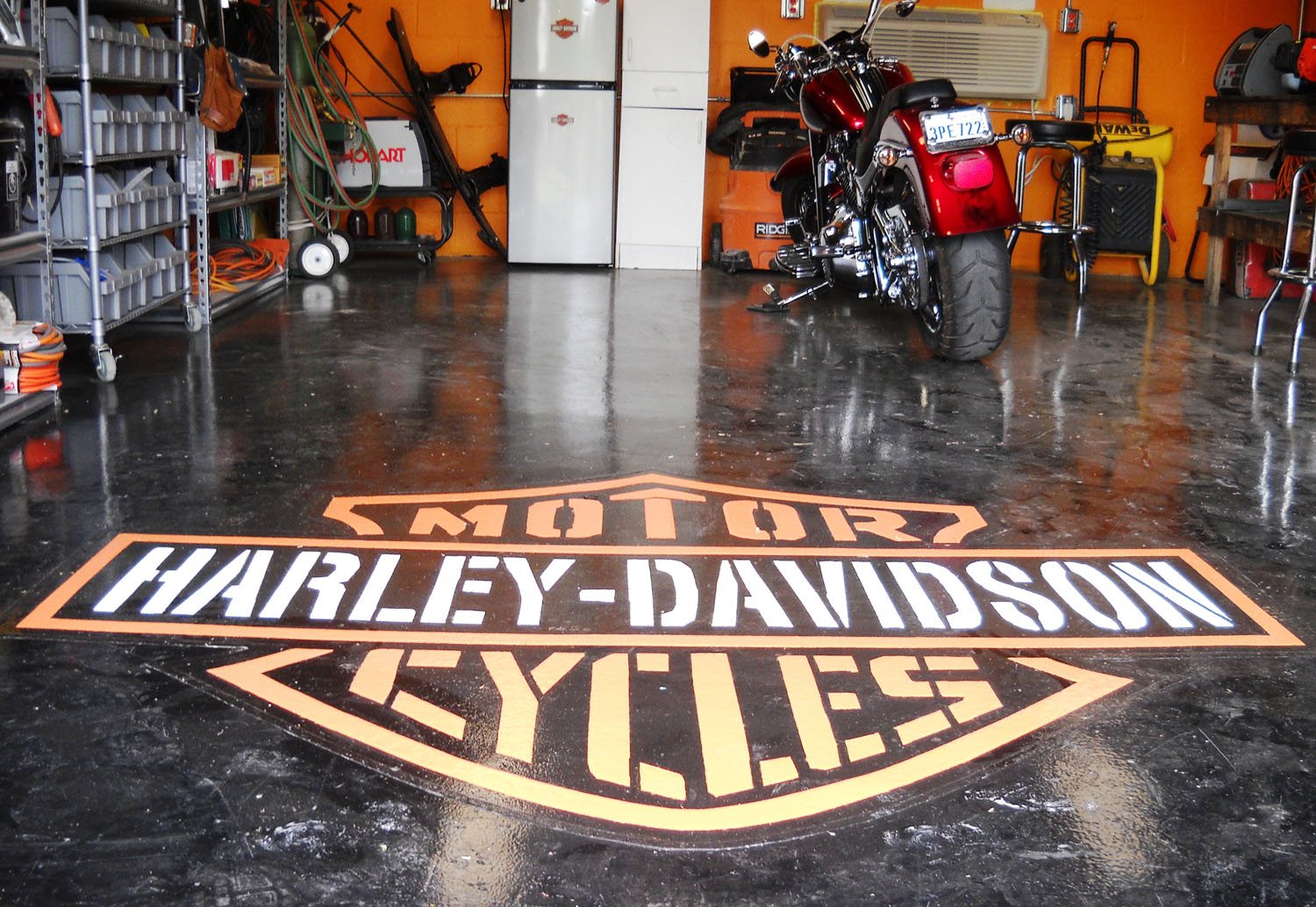 Epoxy
Epoxy
An epoxy coating is a strong, protective finish applied to concrete to enhance durability and appearance. Created by combining a resin and hardener, it forms a seamless surface that resists stains, chemicals, and moisture. Available in many colors and decorative options, epoxy is popular in garages and commercial spaces because it’s long-lasting and easy to maintain. SUNDEK has several options for Epoxy coatings.
Find a contractor that can help with your polished concrete aesthetic
At SUNDEK, we have installers around the country trained to install high-quality decorative surfaces.
Your Local Contractor:
Unfortunately:
We currently do not have a local installer in your area.